

Creators 4 Mental Health DC: Building Healthier Digital Spaces Together
Social Driver and the National Digital Roundtable joined Social Currant and Internet For Growth to host Creators 4 Mental Health DC, bringing creators, policymakers, and industry leaders together for an inspiring evening on digital wellbeing and the future of the creator economy.


Internet Together
The internet can be a wonderful resource. It can connect people across continents in seconds. It can be a platform for unheard voices. It can spark movements that change culture. At the same time, it can be exhausting and overwhelming for the people who use it. It can be problematic, even dangerous, when used with the wrong intent.
In a time where the creator economy dominates the industry, whether social platforms provide a positive force is reflected on. The question isn’t whether they can be positive forces. The question is what it takes to get them there.
That tension is why Social Driver and the National Digital Roundtable partnered with Social Currant, What’s Trending, and Internet For Growth to host Creators 4 Mental Health DC, a gathering centered around mental wellbeing, digital impact, and the responsibility we all share to make online spaces healthier.
It wasn’t your average panel. It was a room full of people whose lives are conducted online, such as creators, advocates, lawmakers, and marketers—coming together to ask a simple but vital question: how do we build an internet that supports the people who power it?
The event took place in Washington, DC, a city at the center of technology and policy. That night, the city became a hub for a conversation that stretched far beyond the room: one about humanity, responsibility, and what happens when people show up for one another, both online and offline.
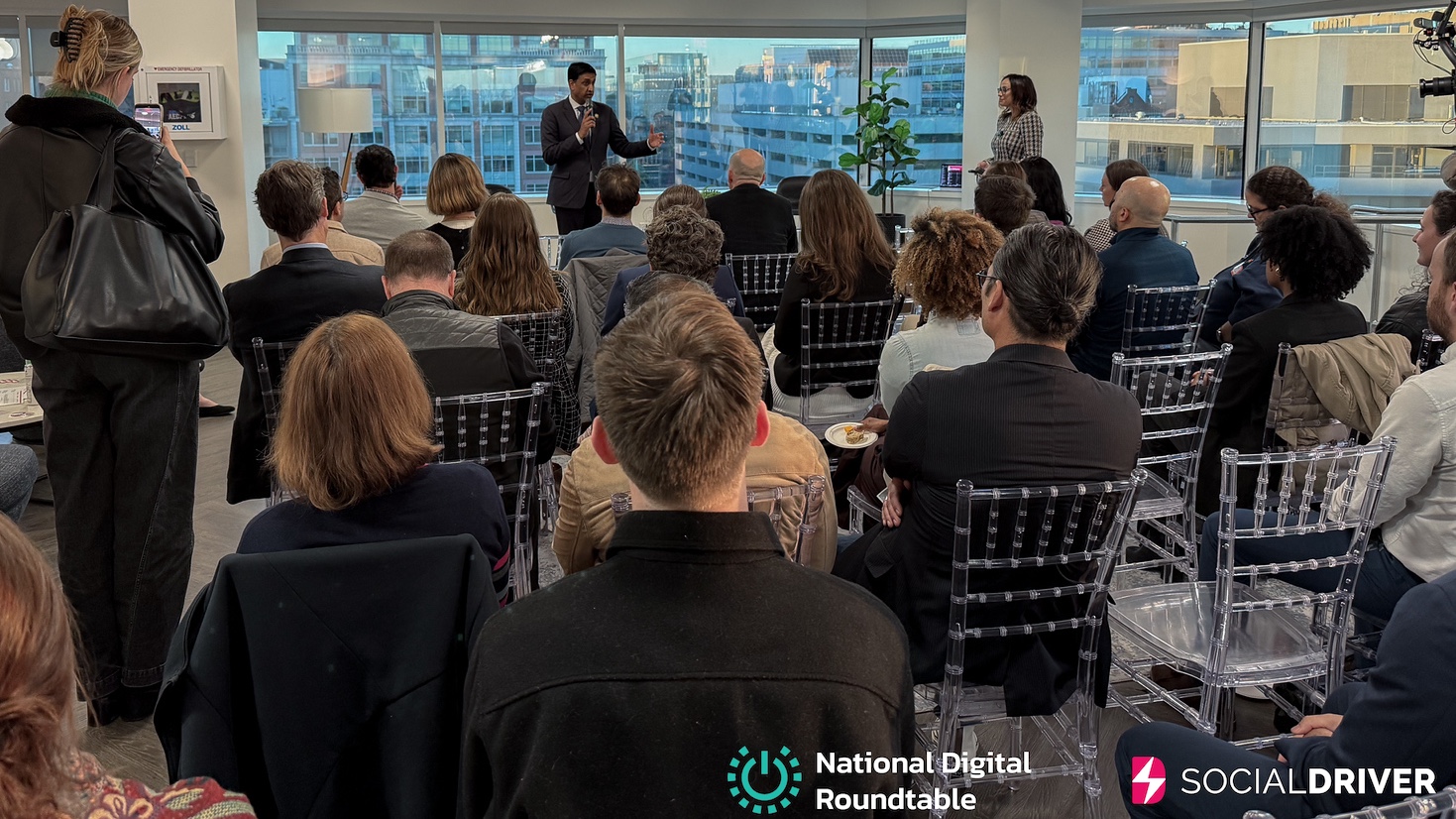
Congressman Khanna opened the evening with a passionate call for a Creators’ Bill of Rights, underscoring the importance of protecting creators and ensuring they can thrive mentally, emotionally, and financially in a fast-changing digital landscape.
Moderator Shira Lazar led an engaging discussion on balancing authenticity with self-care, combating burnout, and using influence to promote mental health awareness. Panelists shared honest reflections about navigating the pressures of life online while building communities that uplift and inform.
“The key is remembering there are real people behind every post,” one panelist shared — a sentiment that resonated throughout the night.
Because when community shows up, change happens.
A Conversation That Needed to Happen
The evening opened with a lineup of voices who understand the complexities of digital influence firsthand: Congressman Ro Khanna, Shira Lazar (@shiralazar), Aaron Parnas (@aaronparnas), and A.B. Burns-Tucker, Esq. (@iamlegallyhype).
The creator economy is no longer a niche market; it’s one of the fastest-growing sectors influencing culture, policy, and public conversation. Yet the people behind the content often work without labor protections, mental health resources, or clear pathways to sustainability. Congressman Khanna made the case for a Creators’ Bill of Rights—a framework to ensure creators are protected, compensated fairly, and supported in navigating the psychological toll that comes with building an audience.
“Creators deserve the same protections and respect we extend to any other worker contributing to the economy,” he said. “Their wellbeing isn’t a side issue. It’s central.”
Congressman Khanna’s call to action grounded the evening in purpose: creators aren’t just content machines, they’re people.
Shira Lazar guided a thoughtful conversation with the panelists about what it means to show up authentically online without sacrificing your mental health in the process. The discussion touched on the constant pressure to be “on.” The unique emotional labor creators carry as their audiences grow can create burnout. Creators need to create boundaries, both with the work they put in and the toll audience demand creates.
One panelist summed it up perfectly:
“The key is remembering there are real people behind every post.”
It’s a simple truth, but a necessary one. In an internet dominated by algorithms, metrics, and constant circulation of content, remembering the human behind the screen is often an afterthought.
What Happens When a Community Shows Up
Solutions don’t come from one person. They come from communities willing to show up for one another, consistently and with intention.
The most powerful part of the evening wasn’t just the conversation on stage. It was the community gathered in the room. Creators mingled with policy leaders. Nonprofit advocates talked with digital strategists. People who might not normally cross paths connected over shared concerns and goals for the future of digital spaces.
That combination gave the room an energy that felt both urgent and hopeful. This wasn’t an event about diagnosing problems. It was about envisioning solutions.
Some creators spoke about navigating harmful comments or online harassment. Others shared the emotional pressure of constantly producing content. Mental health advocates talked about the rising rates of anxiety and depression among young people who grow up in an always-online environment.
Why This Conversation Belongs in Washington
The event represented exactly what the National Digital Roundtable set out to do: bring together people shaping technology, communication, and policy for real conversations that build better understanding.
Washington, DC is often seen as a city of institutions and legislation, but it’s also a city of people who think deeply about the future. The future of the internet is increasingly intertwined with public policy. As creators influence public discourse, lawmakers are being asked to consider how digital labor, digital wellbeing, and digital rights should be protected.
This event wasn’t just a dialogue among creators. It was a step toward ensuring that the people who build online culture have a seat at the table as decisions are made about the digital spaces they inhabit. The creator economy is shaping not only entertainment and culture, but also advocacy, civic engagement, education, and economic opportunity.
Conversations like this ensure that mental health and human wellbeing remain part of that evolution.
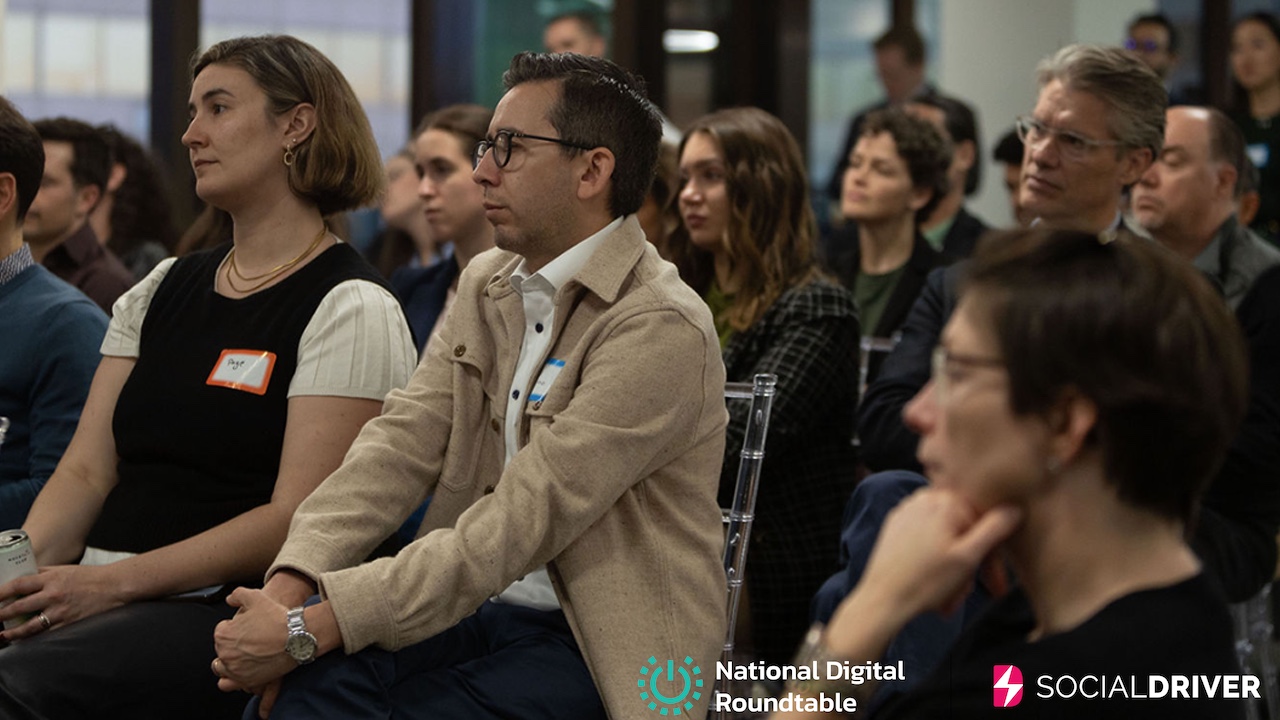
Photo credits: James Minichello Photography 🔗 | Born Off Conflict Creatives 🔗